


Balancing a full plate: How dining hours affect student athletes
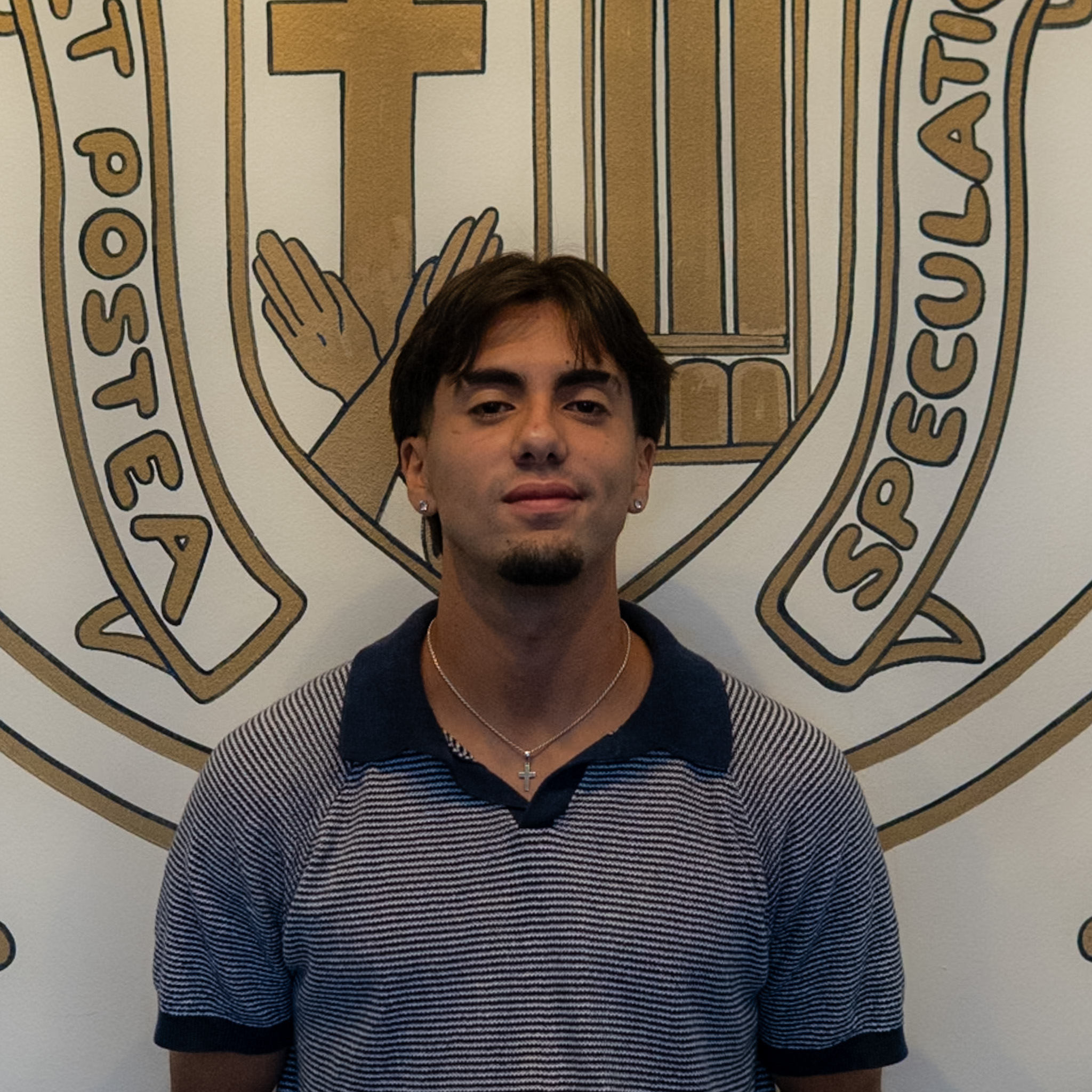
Being a student-athlete requires a lot of responsibility. An athlete's diet is crucial, especially eating meals before and after training. With long days packed with classes, training and homework there is a lot to manage, leaving limited time to eat during their busy schedule.
At the University of St. Francis (USF), some student-athletes say reliable dining options can be difficult when their practice schedules do not line up with the hours provided. The Terrace Cafe serves breakfast from 7 a.m. to 10 a.m., lunch from 11 a.m. to 1 p.m. and dinner from 5 p.m. to 7 p.m. Monday through Friday.
For athletes practices, games, team meetings and travel can make eating at these traditional meal times more difficult. When an athlete has practice during a dining period or finishes practice after the cafe closes, the options for getting a meal on campus can be scarce.
DeKotah Rueger, a graduate assistant coach on the men's soccer team, said the dining schedule can be difficult for athletes to work around because of each team’s specific practice times and space availability.
He mentioned that athletes sometimes struggle to make it to the dining hall before it closes, especially when practices extend into the evening. He also shared that he spends long periods of time at school for coaching-related work and has trouble getting food from the cafe. This can lead to rushed schedules and lost meals due to conflictions in daily routines.
Dekotah said having longer dining hours would make the situation easier for athletes.
"I just would really like them to actually be open for longer," Rueger said.
Aaron Razo, another USF student-athlete, said his concern is less about missing dinner due to evening practices and more about the gap between lunch and dinner.
"I eat at the cafe every day, and I think the gap from 1- 5 p.m. is too long," Aaron said.
The four-hour gap can create a problem for students who are unable to eat lunch before 1 p.m. An athlete who has a class, workout, or commitments during the lunch period may have to wait several hours before the next scheduled meal. For student-athletes, that wait can be especially noticeable because food is an important part of getting through a demanding day. Practices and workouts require time and energy, and athletes may need to eat before or after training depending on their schedule.
Razo said he sometimes cannot eat until later in the afternoon, making the gap between lunch and dinner an issue. Similar to Rueger, Razo suggested shortening the gap or providing another food option during that time so students would not have to wait until dinner. The concerns raised by Razo and Rueger show that student-athletes experience the dining schedule differently from students whose schedules are more flexible.
A student with an open afternoon may be able to eat lunch before the cafe closes and return for dinner later. An athlete, however, may have class immediately before practice, practice immediately before dinner, or another team commitment at the same time as a meal period. Practices are not scheduled around dining hours. Teams have to work around field and facility availability, coaching schedules, competition schedules and academic responsibilities. Dining hours remain fixed, while athletic schedules may vary from day to day. The issue is something that comes up in conversations among student-athletes. Each team has different practice times and schedules, but athletes across campus can face the same basic problem when their commitments overlap with dining hours.
That does not mean every USF athlete has the same experience or that every student wants longer dining hours. However, the experiences of athletes such as Razo and Rueger show that the current schedule can create obstacles for students who are trying to balance athletics and academics.
Student-athletes' schedules can be hectic and change on short notice, of course the responsibility of managing such a schedule is not entirely on the university nor the athlete. However, providing student-athletes a chance to voice their thoughts is important and their concerns should be taken seriously.
The question being thought of by student-athletes is not simply whether the Terrace Cafe provides breakfast, lunch and dinner. Instead, the bigger question is whether those meals are available at times that fit the demands of their schedules.
USF's student-athletes are balancing two major parts of college life. Classes, studying and assignments already compete for their time with practice, workout and game schedules. Dining hours become another schedule they must navigate.
For athletes and coaching staff, extending dining hours or providing additional options could make that schedule easier to manage. When campus dining follows a traditional timetable, a sizable portion of their consumers (student-athletes) are not being served. Something as simple as finding dinner can become another challenge in an already busy day of being a student athlete. USF’s dining hours may not be keeping up with the schedules of the people they are meant to serve.


Comments